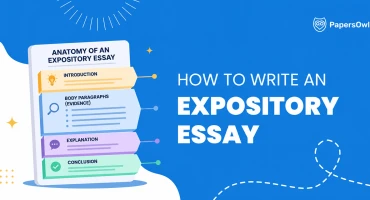


A thematic essay examines a topic comprehensively and integrates strong evidence and illustrations. Start with a clear introduction, then write body paragraphs that focus on the thesis statement and include evidence. Make sure every point you make connects to your main idea.
It may seem hard to write a thematic essay at first, but it’s really just about focusing on one main message throughout a text or time period.
Don’t worry; we’ll help you every step of the way and give you a list of 160 topics to help you find the right one quickly!
What Is a Thematic Essay?
This academic writing is not just a summary or a simple literary analysis.
For instance, you could look at how leadership has changed over time or how climate change affects how cities are planned today.
A thematic essay is like a big picture with one clear thread running through it. Everything you say, show, or argue goes back to that one idea.
Unlike general essays that may shift between topics, a thematic essay stays focused and consistent.
A lot of high school students mix it up with descriptive essays. They tell stories or retell facts, but a thematic essay does more than that. It looks at, explains, and ties together facts into a single main idea, showing a deeper understanding than just listing facts.
How to Write a Thematic Essay?
Let’s go through the steps one at a time so that your thoughts stay clear, your point of view stays strong, and your essay stands out.
If you are struggling to find a core theme, using a free essay generator can help you brainstorm ideas.
Step 1: clarify the theme
Find the key ideas you need to think about by reading the prompt carefully. Instead of “education,” talk about something more specific, like how online learning changes how students work together.
Step 2: come up with ideas and write a thesis
Think of things, events, or ideas that are related to the theme. Consider different perspectives. Then, turn your central idea into a clear thesis statement that presents your main argument and guides the entire paper.
Step 3: make a plan
Before you start writing, get your thoughts in order. Every paragraph should have a clear point, proof, and explanation that supports your main argument. Put them in a logical order.
Step 4: write the body and introduction
Start with a hook, then talk about the theme, and end with your thesis. After that, write the body paragraphs. Each should have one main point, backed up by examples and analysis.
Step 5: write the conclusion
Rephrase your main point, summarize it, and give the reader a clear last thought.
Step 6: read it again and make changes
Check your paper for spelling, grammar, and flow. Before you turn in your work, check that all of your ideas fit together, that you used the right thematic statement format, and that you properly cited all of your sources.

How to Start a Theme Essay?
Start by putting the prompt into your own words. It helps you understand exactly what you need to explore. Then, pick a clear, specific idea to make your topic more focused. Instead of just saying “climate change,” say “how climate change affects city planning.”
A short story, a surprising fact, or a meaningful quote can all work as hooks to get the reader interested. Finish your introduction by saying what your main point is.
See the difference?
🚫 Wrong: “This essay is about global warming.”
✅ Correct: “Global warming is changing cities, making planners rethink housing and transportation.”
The correct option is easy to understand and ready to help you move forward with your exploration!
List of the Best Thematic Essay Topics in 2026
Here’s a short list of potential topics for inspiration. Choose a precise theme that allows analysis across the entire text or period.
- Social media and student productivity
- Climate change and urban planning
- Voting age and civic responsibility
- Fast fashion companies and environmental impact
- Self-driving cars and public safety
- Death penalty and justice systems
- Indigenous languages and cultural preservation
- Remote work and the job market
- Data privacy in modern society
- College athletes and academic performance
- Space exploration and future goals
- Fake news and social perception
- AI tools in education
- Equal access to health insurance
- Financial literacy among high school students
- Team sports and leadership skills
- Processed foods and public health
- Immigration policies and economic impact
- E-sports and career opportunities
- Single-use plastics and sustainability
- Art and social change
- Space tourism and ethical concerns
- Modern education and standardized test scores
- Voting and civic education
- Positive impact of volunteering
- Cancel culture and freedom of speech
- Urban planning and climate adaptation
- Remote learning and mental health
- Social media and language evolution
- Current events and critical thinking
Essay Topics by Category
Picking a category first helps focus your research and analysis. It also helps you better understand, “What is a thematic topic and how to narrow your idea effectively?” This makes your essay more manageable and ensures your theme is clear.
I’ve organized 160 essay topics into groups covering history, society, science, the environment, technology, and more. These can help high school students and college writers generate ideas for their papers.
People and events from history
Look at a person, event, or movement from the past. Find out how it changed politics, society, or culture.
- Abraham Lincoln’s leadership skills
- The impact of Martin Luther King Jr. on civil rights
- The Cold War’s influence on global politics
- The reasons for and effects of the French Revolution
- How the Industrial Revolution changed modern society
- The importance of the American Civil War
- How World War II changed the roles of men and women
- Lessons from the fall of the Roman Empire in history
- The growth and impact of Mahatma Gandhi
- How the Renaissance changed art and education
- The right to vote and social change in the 20th century
- Policies for people who wanted to come to America in the early 1900s
- The life and impact of Nelson Mandela
- How historical figures helped shape democracy
- Changes to the economy in Europe after the war
- The Berlin Wall’s importance
- Indigenous leaders and the preservation of culture
- Important events in the history of space exploration
- The effect of past pandemics on society
- The history of women in politics
- Movements for civil rights all over the world
- How treaties from the past changed borders
- The effects of new technologies in the 1800s
- Political revolutions and their effects on society
- The part that spies and intelligence play in wars around the world
- The life and legacy of Winston Churchill
- How art showed social problems in the 20th century
- Historical reasons for people being aware of climate change
- The impact of historical figures on contemporary education
- What we can learn from revolutions that didn’t work
Contemporary society and social challenges
Look at problems in today’s society, culture, or politics, paying close attention to their effects, debates, or solutions. Use the thematic idea definition to guide your analysis.
- Mental health and social media
- False news and how people see it
- The culture of canceling and the right to free speech
- Age to vote and civic involvement
- Equal rights for men and women at work
- Policies on immigration and integration
- Getting health care in today’s world
- How well do young adults know about money
- Working from home and getting things done
- AI tools and moral problems
- The good things about volunteering
- Single-use plastics and being environmentally friendly
- The effects of fast fashion on the environment
- Planning cities and adapting to climate change
- E-sports and the growth of young people
- College athletes and how well they do in school
- Climate change and personal accountability
- Space tourism and moral issues
- Schools should be aware of mental health issues.
- The role of social media in political activism
- Equal access to learning
- Life in the city and on public transportation
- Censorship and the freedom to make art
- Concerns about privacy and technology
- Democratic participation and voting systems
- How processed foods affect health
- Accountability and cancel culture
- Learning from a distance and getting students involved
- Privacy of data in today’s world
- AI-generated content and academic honesty
Science and tech
Look into how technology and science have changed, what moral issues they raise, or how they affect society.
- Self-driving cars and safety in public
- AI in the classroom
- Exploring space and future possibilities
- Concerns about the environment and space tourism
- Biotechnology and the ethics of medicine
- Climate change and renewable energy
- Genetic engineering and ethical quandaries
- How virtual reality affects learning
- Privacy of data and cybersecurity
- The impact of social media algorithms
- The job market and automation
- Technology and access to health insurance
- E-learning platforms and how well students do
- AI writing tools for essays
- Robots and safety at work
- Planning policies and modeling the climate
- Digital currencies and changes in the economy
- Access to telemedicine and healthcare
- Health monitoring and wearable technology
- Trucks that drive themselves and logistics
- Voting and security online
- The ethics of space travel
- Drones and keeping an eye on the environment
- AI in the arts and entertainment
- Biotechnology and making food
The environment and long-term health
Focus on environmental issues, sustainability, and how people affect the planet, while keeping in mind how to write a theme essay effectively.
- Planning cities and global warming
- Loss of biodiversity and deforestation
- Pollution of the ocean by single-use plastics
- Renewable energy options
- The relationship between climate change and farming
- Companies that make fast fashion and sustainability
- Pollution in the air in big cities
- Not enough water, and people are doing things
- Space tourism and its effect on the environment
- Activism for the environment and changes in policy
- Gardens and green spaces in cities
- Plans for protecting wildlife
- How well does carbon taxation work?
- The health effects of climate change
- New ways to recycle plastic
- Indigenous knowledge for long-term success
- Responsible disposal of e-waste
- Electric cars and their effect on the environment
- Better public transportation
- Teaching kids about climate change in school
- Acidification of the ocean and marine life
- Justice for the environment and communities that are on the outside
- Fashion choices that are good for the environment
- How many people are using renewable energy
- Eco-tourism and communities around it
School and learning
Look at the problems, new ideas, or social aspects of places where people learn.
- Tests that are the same for everyone, and how students learn
- How well does remote learning work?
- The effect of school uniforms
- Focus on social media and schoolwork
- Systems for evaluating teachers
- Funding for schools and fairness
- Balance between college sports and schoolwork
- AI tools that help students write
- Courses in schools that teach life skills
- Awareness of mental health and education
- Advantages of vocational training
- The effects of early childhood education
- Learning through projects versus traditional methods
- Teaching people how to handle money
- Digital textbooks and how easy they are to get to
- Safety and self-driving school buses
- Programs in schools that teach native languages
- Students taking part in civic activities
- Internships and career preparation for high school students
- Comparing education around the world
- Topics for college admissions essays
- Plans for personalized learning
- Programs for peer mentoring
- Using social media to learn
- Using technology in the classroom
Health and living
Look into health, social trends, and problems with public health, while also considering “What is a thematic idea?” to guide your essay focus.
- Obesity and processed foods
- Mental health of high school students
- How to deal with stress as a college student
- Getting health insurance
- Physical activity and school work
- School nutrition programs
- Rules about getting vaccinated
- Sleep and academic performance
- Using telemedicine
- Apps for fitness and personal health
- How social media affects mental health
- Teenagers and alcohol
- Trends in smoking and public health
- Life expectancy and contemporary lifestyles
- Preventing substance abuse
- Mindfulness in schools
- Sports that involve teams and social growth
- Yoga and the health of students
- Diet fads and false information
- Campaigns to get people vaccinated
- Food security in today’s world
- Teaching people about public health
- Apps for health and the privacy of data
- Awareness of preventive medicine
- Mental health help for students

How to Pick a Good Thematic Essay Topic?
| Question | Purpose | Example |
|---|---|---|
| Is this subject specific? | Keeps your essay on track | “Technology” vs. “Social media and student productivity” |
| Can I find reliable sources? | Backs up your claims | Books, news sites, and journal articles |
| Is it of interest to me? | Makes people more motivated | “Space tourism and goals for the future” |
| Can I look at things from different points of view? | Adds depth | Pros and cons of AI tools in classrooms |
| Is it suitable for my essay type? | Matches essay requirements | Persuasive essay, argumentative essay, descriptive essay |
Thematic Essay Outline
When you write, a clear outline helps you stay on track and organized. It gives your essay a structure, keeps your ideas connected, and makes it easier to write from beginning to end.
Introduction
To get the reader’s attention, start with an interesting hook. Provide background information on the theme to help the topic make sense. At the end of your introduction, write a clear thesis statement that tells the reader what your main idea is and what your essay will be about.
Body Paragraphs
Your thesis should be the main point of each paragraph. Start with a strong topic sentence, then give examples or proof and explain how they back up your point of view. Make sure your essay flows naturally by using smooth transitions to connect your ideas.
Conclusion
To remind readers of your main point, say your thesis again in different words. Summarize your main points in a few sentences and end with a thought or insight that will stick with the reader.
Proofreading
Carefully read your paper before you submit it. Check your spelling, grammar, and punctuation. Make sure that your ideas flow clearly and that the changes are smooth. Make sure your citations are correct, and your formatting is in the correct style.
Thematic Essay Example
Let’s look at a real theme essay example and talk about why it works. This brief overview will help you figure out how to organize your own essay prompt.
Introduction:
“Climate change is changing cities all over the world. Because of factors like coastal flooding and heat waves in cities, planners need to rethink how they build homes, get around, and use public spaces. This essay talks about how city planning changes to deal with climate problems.”
Why it works: The hook is clear, the theme’s significance, and the thesis statement are well-formulated.
Body:
“Green infrastructure is one important change. Urban forests, parks, and green roofs help keep the heat down and soak up stormwater. Research indicates that urban areas with increased green space experience reduced temperatures and enhanced air quality. This shows that decisions about planning are directly affected by environmental problems.”
Why it works: The topic sentence, the evidence, the analysis, and the thesis all fit together.
Conclusion:
“In conclusion, urban planning is important for fighting climate change. Cities can protect their residents and adapt to changing environmental risks by putting green infrastructure and resilient designs first.”
Why it works: The conclusion restates the thesis, sums up the points, and leaves a lasting impression.
Checklist for Thematic Essays
Before you turn in your work essay, use this short checklist to go over it. It helps you find mistakes, make your writing clearer, and make sure that every part of it supports your main idea.
Some Final Thoughts
You need to plan, focus, and revise carefully to write a thematic essay. Begin with a clear idea, create a strong thesis, and back it up with relevant proof in each paragraph.
Don’t hurry the process. It’s best to take your time and go over your work step by step to improve it.
Writing is like putting something together. Before you add details, you need a strong base. You can do this, and your skills will get better with practice.
Write your first draft today and then improve it later. PapersOwl can help you with your writing if you need more help!